Periodontal Treatment for Tooth Mobility and Gum Damage

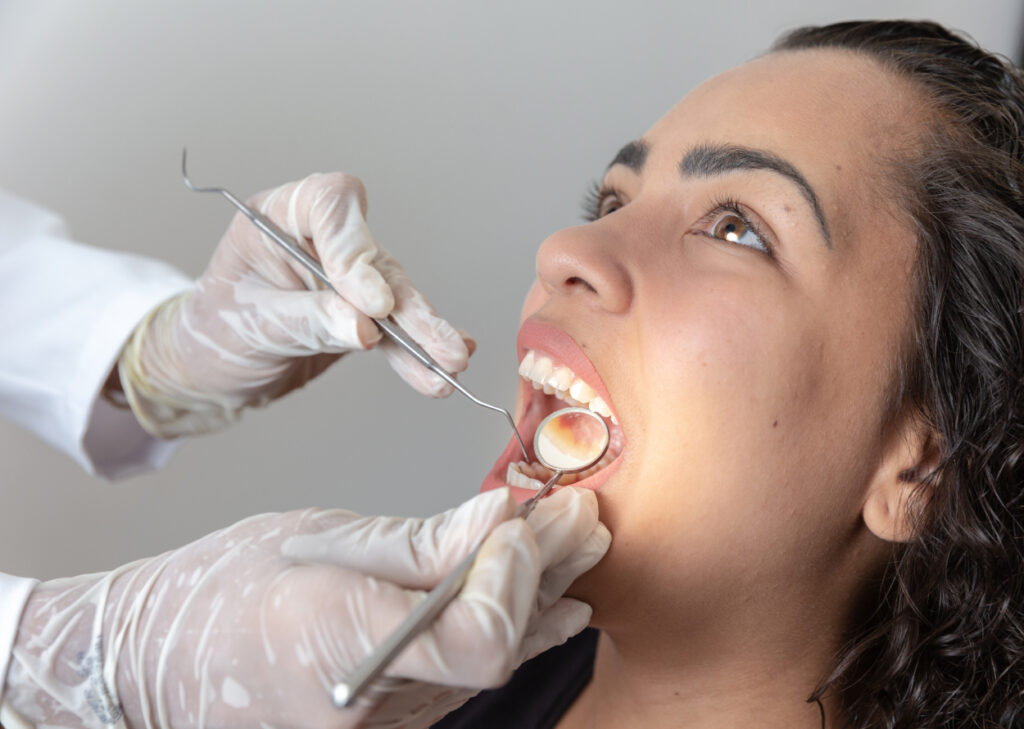
A loose tooth changes the way people chew, speak, and even smile. It also changes the way a dentist thinks. In adults, tooth mobility is rarely a simple mechanical problem. More often, it signals deeper periodontal breakdown, meaning the supporting tissues around the tooth have been damaged by inflammation, infection, overload, or a combination of all three.
That distinction matters. If the gums are swollen, bleeding, and infected, tightening the tooth without treating the disease will not solve much. If bone has been lost around the root, the goal is not merely to “fix a loose tooth,” but to stop the process causing it, preserve as much support as possible, and decide whether the tooth can still function comfortably over time. Good periodontal treatment is part diagnosis, part infection control, part tissue management, and part long-term maintenance.
Patients often arrive worried that a mobile tooth means extraction is inevitable. Sometimes it does. More often, the answer is less dramatic and more nuanced. I have seen teeth that felt alarming at first become stable enough to serve for years after careful treatment. I have also seen teeth that looked salvageable on an X-ray fail quickly because biting forces, deep defects, or poor home care kept the inflammation alive. The difference usually lies in understanding what is moving, why it is moving, and what can realistically be rebuilt or maintained.
What tooth mobility actually means
Teeth are not fused directly to bone. They are suspended in place by the periodontal ligament, a thin, specialized connective tissue between the root and the socket. That ligament allows a small amount of natural movement. Healthy teeth can flex microscopically under normal chewing pressure. What patients feel as “wobbling” begins when that movement exceeds the normal range.
Periodontal disease is one of the most common reasons for this. Chronic inflammation destroys attachment fibers and the surrounding alveolar bone. As support is lost, the tooth has less anchorage. If infection is active, the ligament can also become inflamed and widened, which adds even more mobility. In some cases, the looseness appears suddenly because of a periodontal abscess. In others, it develops so gradually that the patient only notices it when biting into something firm.
Not every loose tooth is caused by gum disease. Trauma from clenching or grinding can make a tooth tender and mobile even when bone levels are fairly good. A cracked root https://griffindvds126.vantagequill.com/posts/natural-ways-to-support-healing-after-periodontal-treatment can mimic periodontal breakdown. Advanced decay near the root can compromise support. Orthodontic movement, recent injury, and certain systemic conditions can also alter mobility. This is why proper periodontal treatment starts with sorting out the real source of the problem instead of reacting to the symptom alone.
Dentists usually describe mobility by degree. A slight horizontal movement may be manageable if the surrounding tissues can be stabilized. More pronounced movement, especially when the tooth moves vertically as well, raises concern because it suggests severe attachment loss or structural compromise. That does not automatically rule out treatment, but it changes the prognosis.
The pattern behind gum damage
When people hear “gum disease,” they often think only about bleeding gums. Bleeding is common, but the more serious issue is the progressive loss of the structures holding the tooth in place. Plaque biofilm accumulates around the gumline. If it is not disrupted effectively, the immune system responds. Over time, that chronic inflammatory response breaks down connective tissue and bone. Smoking, poorly controlled diabetes, dry mouth, heavy restorations, crowded teeth, and genetic susceptibility can all intensify the process.
The gum damage itself can take different forms. Some patients show generalized recession with long-looking teeth and exposed roots. Others have deeper periodontal pockets with less obvious recession, so the disease stays hidden until mobility appears. I often explain it this way: some people lose support outwardly, where they can see it, while others lose it inwardly, inside the gum pocket where only a periodontal exam reveals it.
That exam is where the treatment path begins. Probing depths, bleeding points, recession measurements, furcation involvement on molars, occlusal contacts, mobility grading, and radiographs all matter. A deep isolated defect around one tooth carries a different meaning from generalized horizontal bone loss across the whole mouth. A patient with a 7 mm pocket and fresh bleeding around a front tooth may respond beautifully if the lesion is local and cleansable. A patient with widespread deep pockets, uncontrolled diabetes, and nightly bruxism presents a much more complex picture.
Why diagnosis shapes the right periodontal treatment
Good periodontal treatment is specific. It should fit the anatomy of the defect, the activity of the disease, the patient’s oral hygiene, and the strategic value of the tooth.
A single loose lower incisor in a patient with heavy tartar build-up demands one sort of plan. A loose upper molar with furcation involvement and a fractured cusp demands another. There is no honest one-size-fits-all script here.
The first stage is usually non-surgical. That means reducing the bacterial burden and inflammation through meticulous scaling and root planing, sometimes called deep cleaning, along with correction of plaque-retentive factors when possible. If the tissues calm down, the tooth often feels less mobile within weeks because inflamed ligament space narrows and biting forces become more evenly tolerated. This surprises patients. They expect only surgery to help, yet a significant amount of early improvement can happen once active inflammation is controlled.
Still, one important clinical truth often gets overlooked: not every tooth that tightens after initial therapy is truly safe, and not every tooth that remains mobile is hopeless. Some continue to move because so much bone has already been lost that residual mobility is simply part of their new baseline. If inflammation is gone, the patient can clean the area, and function is comfortable, a slightly mobile tooth may still be maintainable for a long time.
What happens during non-surgical care
Scaling and root planing is more than “a deep cleaning.” The goal is to remove subgingival calculus and disrupt biofilm from root surfaces where a toothbrush cannot reach. Done thoroughly, it changes the local environment enough for the tissue to heal and reattach as much as it can. The gum may shrink as inflammation resolves, which some patients mistake for worsening recession. In fact, that shrinkage often reflects healthier tissue contours after swelling has subsided.
Adjuncts may be helpful in selected cases. Local antimicrobials can support treatment in isolated sites, though they are not a substitute for proper instrumentation and home care. Systemic antibiotics may be considered when there is acute infection, aggressive disease patterns, or specific clinical reasons, but routine prescribing is not good periodontal practice. It is better to remove the cause than to medicate around it.
Occlusal adjustment also enters the conversation when the mobile tooth is taking excessive force. I have seen lower front teeth improve substantially when calculus was removed and the heavy bite contacts were refined. The tooth had not become “stronger” in the dramatic sense. It simply stopped absorbing damaging pressure every time the patient closed.
At the re-evaluation visit, usually several weeks later, the picture becomes clearer. Pocket depths may reduce. Bleeding often drops sharply if the patient has been cleaning well. Mobility can stay the same, improve slightly, or improve a lot. That response tells the clinician whether inflammation was the dominant issue or whether structural support is too compromised for non-surgical therapy alone.
When surgery becomes part of treatment
Surgical periodontal treatment is not automatic, but it is sometimes the most predictable way to manage persistent deep pockets, reshape tissue, or access defects that instruments cannot adequately reach through closed therapy alone.
Flap surgery allows direct visibility and debridement. In practical terms, that means the periodontist can lift the gum tissue, remove deposits more precisely, and contour the area for better maintenance. This is especially valuable in molars, deep angular defects, and areas with complex root anatomy.
Regenerative procedures may be considered when the defect morphology is favorable. Bone grafts, membranes, enamel matrix derivatives, or combinations of regenerative materials can help rebuild lost support in selected cases. The key phrase is selected cases. Regeneration works best when the defect has walls that can contain the graft and when the biologic environment is stable enough to heal. A wide, shallow defect in a patient with poor plaque control is far less promising than a narrow vertical defect in a committed, non-smoking patient.
Gum grafting is another branch of periodontal treatment, though its role in mobility is more limited. It can help manage recession, root sensitivity, and thin tissue biotype, but it does not typically solve tooth looseness caused by severe bone loss. Patients sometimes assume “gum surgery” means adding gum around a loose tooth will make it firm. That is not how support works. Soft tissue thickness helps protect roots and comfort, while bone and attachment determine much of the tooth’s actual stability.
Splinting, bite control, and the role of function
One of the more practical tools in managing mobile teeth is splinting. A splint joins a loose tooth to neighboring teeth so forces can be shared across a broader unit. This can be done temporarily or as a longer-term measure, often with bonded fiber reinforcement on the tongue side of front teeth.
Splinting can be very useful, but it has limits. It reduces movement and may improve patient comfort immediately, especially for lower incisors that flare or shift. It does not cure periodontal disease. If infection remains active, the splint merely masks the symptom. It can also create cleaning challenges if designed poorly. I have seen elegant splints preserve function for years, and I have seen bulky splints collect plaque so aggressively that they accelerated the problem they were meant to help.
The bite must also be considered carefully. A patient who grinds heavily at night can overload already weakened teeth. An occlusal guard may help protect the dentition once active gum inflammation is controlled. If a tooth has drifted out of position because of bone loss, its contacts may become more traumatic over time, especially in the front of the mouth where even light parafunctional forces add up.
This is where experience matters. There is a temptation to over-adjust the bite or splint everything that moves. Both approaches can backfire. The better course is measured, selective, and based on the specific mobility pattern, the amount of remaining support, and the patient’s ability to keep the area clean.
Signs that need prompt evaluation
Some situations call for faster action because the difference between a treatable problem and a lost tooth can be a matter of timing.
- Sudden loosening of a tooth that was stable before
- Swelling, pus, or a bad taste around the area
- Pain on biting, especially if it feels sharp or localized
- Rapid movement or spacing developing between front teeth
- Fever or facial swelling along with gum pain
A periodontal abscess, vertical root fracture, or acute traumatic event can all present this way. Waiting several months for a routine cleaning in those cases is not sensible.
Can severely loose teeth still be saved?
Sometimes yes, sometimes no. This is one of the hardest conversations in periodontal care because patients often hope for a simple rescue if the tooth is emotionally important or highly visible.
The prognosis depends on several variables working together. Remaining bone support matters, but so does the shape of the bone loss. A tooth with 50 percent support lost in a favorable defect may be more maintainable than one with less total loss but a poor crown-to-root relationship and uncontrolled mobility. Root anatomy matters. Single-rooted teeth can sometimes be easier to clean and splint than molars with advanced furcation involvement, but they may also be more prone to drifting. Patient factors matter immensely. Excellent plaque control and regular periodontal maintenance can keep borderline teeth functioning far longer than expected. Smoking and inconsistent hygiene can do the opposite.
There is also the strategic question. Saving a tooth is not always the best choice if keeping it jeopardizes adjacent teeth, delays more stable treatment, or causes repeated infection. A very loose molar with recurring abscesses may drain time and money without offering reliable function. In contrast, a mobile lower incisor in a carefully maintained mouth may be worth preserving if it helps support overall function and aesthetics.
The right recommendation requires honest forecasting, not wishful thinking. Periodontal treatment should preserve teeth when the biology and mechanics make that reasonable. It should also acknowledge when extraction and replacement may offer a healthier, more predictable future.
What patients can do at home without making things worse
Home care is part of treatment, not an optional add-on. Yet patients with mobile teeth are often afraid to brush near them, which leads to more plaque, more inflammation, and more looseness. The challenge is to clean thoroughly without adding trauma.
Use a soft toothbrush and controlled, deliberate strokes along the gumline. An electric brush can help, especially for patients with limited dexterity, but aggressive scrubbing is counterproductive. Interdental cleaning is essential, though the tool has to fit the space. Floss works for some sites, interdental brushes for others. A water flosser can be useful as an adjunct, particularly around splints and periodontal pockets, though it should not replace mechanical plaque removal.
Food choices matter more than many people realize during active treatment. Biting directly into crusty bread, hard apples, or tough meats with a highly mobile front tooth is asking for discomfort. Cutting food into smaller pieces and shifting chewing to more stable areas can make healing easier while treatment is underway.
Here are a few practical habits that help during recovery and maintenance:
- Brush twice daily with a soft brush, aiming at the gumline rather than scrubbing across the tooth surface
- Clean between the teeth every day with the device your clinician recommends for those specific spaces
- Avoid tobacco, which slows healing and worsens periodontal breakdown
- Wear a night guard if clenching or grinding has been identified as a factor
- Keep periodontal maintenance visits on schedule, even when the tooth feels better
That last point is often underestimated. Mobility can improve enough after treatment that patients assume the problem is gone. Periodontal disease does not work that way. It quiets down, then returns if the conditions favor its return.
The maintenance phase is where long-term success is decided
After active periodontal treatment, the maintenance interval is usually shorter than a routine six-month cleaning cycle. Many patients are best seen every three to four months, at least for a period. That timing is not arbitrary. It reflects how quickly pathogenic biofilm can re-establish in susceptible sites and how important it is to intervene before deep pockets become inflamed again.
These visits are more focused than standard cleanings. The team checks bleeding, pocket depths, recession, mobility changes, plaque control, and local irritants. Small shifts matter. A tooth that becomes slightly more mobile, starts bleeding again, or traps food in a new way is giving an early warning. Catching that shift early can mean a simple correction rather than major retreatment.
This is also where patient behavior shows up clearly. When someone cleans well, avoids smoking, and uses a bite guard consistently, the tissues usually look calmer and more resilient. When those habits slip, the gums often reveal it long before the patient feels pain.
The emotional side of loose teeth
There is a practical burden to periodontal disease, but there is also an emotional one. Loose front teeth can make patients self-conscious in a way back teeth rarely do. Many stop smiling fully. Some avoid restaurants because certain foods feel risky. Others become hyperaware of every tiny movement and test the tooth repeatedly with their tongue or fingers, which only adds irritation.
Part of good care is reducing that anxiety with clear information. Patients do better when they understand what the treatment can realistically accomplish, what signs should concern them, and what degree of mobility may remain even after successful care. A tooth does not have to feel identical to a healthy, untouched tooth in order to be serviceable and worth keeping.
At the same time, it helps to be direct. If the support is too compromised and the tooth cannot be predictably maintained, saying so early is kinder than offering false reassurance. Dentistry is at its best when it balances preservation with realism.
Making sense of prognosis
Periodontal treatment for tooth mobility and gum damage is rarely a single appointment solution. It is a sequence. Diagnose the cause, reduce infection, manage forces, re-evaluate tissue response, consider surgery if needed, and maintain relentlessly afterward. Every one of those steps affects the next.
The encouraging part is that mobile teeth often improve more than patients expect once inflammation is properly treated. The limiting part is that lost attachment does not always come back fully, and some teeth remain compromised despite excellent care. Both truths can exist at once.
What matters most is whether the tooth can be made cleanable, comfortable, and functional without ongoing disease activity. If the answer is yes, periodontal treatment can preserve valuable teeth and restore confidence in eating and speaking. If the answer is no, recognizing that early helps prevent more damage and opens the door to better-planned replacement. Either way, the loose tooth is not the whole story. The health of the supporting tissues is.
Avra Dental
Address: 1708 S Victoria Ave B, Ventura, CA 93003
Phone number: (805) 941-1001
FAQ About Periodontal Treatment
Can a dentist get rid of periodontal disease?
A dentist or gum specialist (periodontist) cannot fully cure or reverse advanced periodontal disease (periodontitis), but they can successfully stop its progression and manage the infection.
Is periodontitis very serious?
Yes, periodontitis is a very serious, advanced form of gum disease that destroys the bone and tissues supporting your teeth.
How is stage 2 periodontal disease treated?
Stage 2 periodontal disease (early to moderate periodontitis) is primarily treated with non-surgical deep cleaning procedures like scaling and root planing to remove bacteria and tartar below the gumline.