Gum Disease Treatment for Bleeding and Swollen Gums
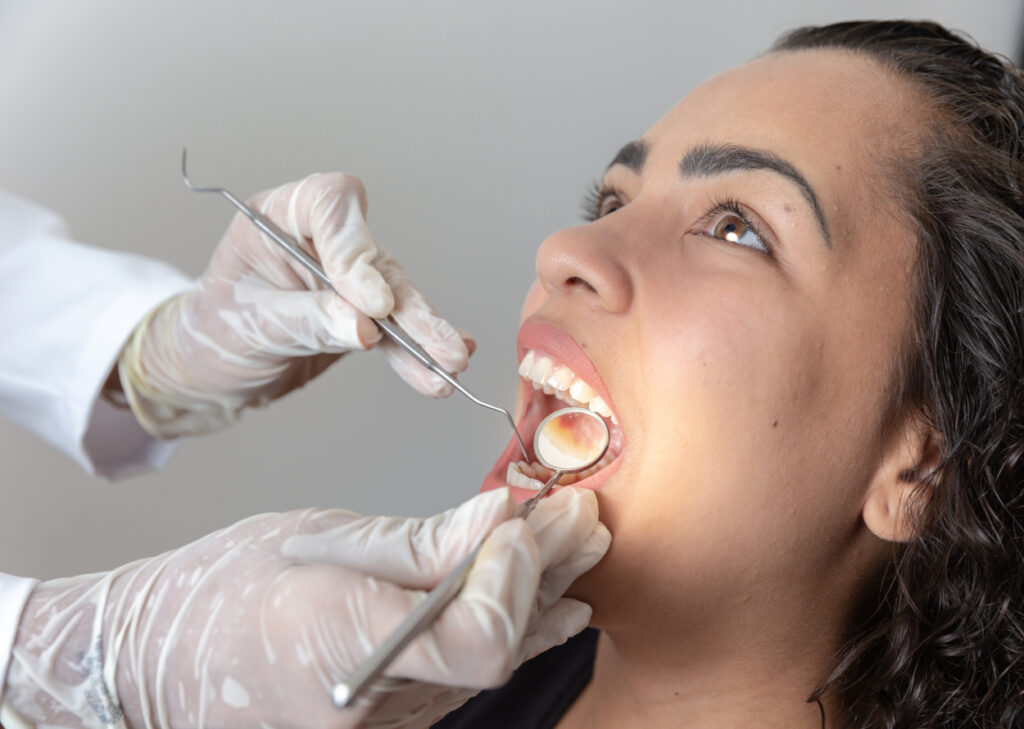


Bleeding when you brush, tenderness along the gumline, and puffiness that makes your teeth feel different are easy to dismiss at first. Many people assume they brushed too hard, switched floss, or ate something sharp. Sometimes that is true. More often, bleeding and swollen gums are the earliest visible signs that inflammation has taken hold and is starting to damage the tissues meant to support your teeth.
That matters because gum disease is usually quiet in its early stages. It rarely causes the kind of dramatic pain that forces someone to book an appointment immediately. Instead, it progresses in the background. A little bleeding becomes frequent bleeding. Mild swelling turns into chronic tenderness. Breath changes. Teeth start to look longer as gums recede. By the time a tooth feels loose, the problem is no longer mild.
The good news is that early gum disease often responds well to timely care. Even more advanced cases can usually be managed with a thoughtful treatment plan. Gum Disease Treatment is not one single procedure. It is a combination of diagnosis, professional cleaning or deeper periodontal therapy, changes to daily home care, and follow-up that is tailored to the severity of the disease and the person living with it.
What bleeding and swollen gums usually mean
Healthy gums do not normally bleed during routine brushing or flossing. They should be firm, pink to brown depending on natural pigmentation, and snug around the teeth. When plaque, a sticky film of bacteria, sits undisturbed along the gumline, the body responds with inflammation. Blood vessels in the area become more fragile and more numerous, which is why brushing may produce pink foam in the sink.
At the earliest stage, this condition is called gingivitis. Gingivitis affects the gums but has not yet caused irreversible destruction of the bone and connective tissue supporting the teeth. That distinction is important. Gingivitis can usually be reversed with professional cleaning and better plaque control at home.
If the inflammation continues, the disease can progress to periodontitis. In periodontitis, the attachment between tooth and gum starts to break down. Pockets form around the teeth. Bacteria settle deeper where a toothbrush and floss cannot reach well. Bone loss may begin, slowly or sometimes surprisingly fast, depending on the person’s risk factors.
I have seen patients come in worried about “sensitive gums” and leave surprised to learn they already had periodontal pockets measuring five or six millimeters around several teeth. I have also seen the opposite, people convinced they needed surgery when they really had gingivitis from months of inconsistent cleaning and could improve dramatically within a few weeks. The symptoms overlap. The exam tells the real story.
Why gums become inflamed
Plaque is the main trigger, but plaque is not the whole story. Two people can have similar brushing habits and show very different levels of gum disease. Biology, medications, habits, and systemic health all influence how the gums respond.
Smoking is one of the strongest risk factors. It reduces blood flow, impairs healing, and can mask obvious bleeding, which means the gums may look less inflamed than they really are. Diabetes, especially when poorly controlled, also raises the risk because elevated blood sugar affects immune response and healing. Hormonal changes during pregnancy, puberty, or menopause can make gums more reactive. Certain medications, including some blood pressure drugs, anti-seizure medicines, and immunosuppressants, can contribute to gum overgrowth or dry mouth, both of which complicate cleaning.
Clenching and grinding do not cause gum disease by themselves, but they can worsen how sore the area feels and can make the tissues around already-inflamed teeth more stressed. Mouth breathing, orthodontic appliances, crowded teeth, and old dental work with rough margins also create areas where plaque builds more easily.
This is one reason a quick internet search for Gum Disease Treatment can be misleading. The right treatment depends not just on what your gums look like today, but on why the inflammation developed and what is keeping it active.
When symptoms point to something beyond simple irritation
Bleeding and swelling are common, but the pattern matters. Occasional bleeding in one area after aggressive flossing is not the same as spontaneous bleeding from multiple sites every day. Swelling between the teeth, persistent bad breath, a bad taste, gum recession, tenderness when chewing, and teeth that feel slightly mobile all deserve attention.
A few signs are especially important because they suggest the problem may have moved past early gingivitis:
- Bleeding from several areas for more than a week
- Gums pulling away from the teeth or teeth appearing longer
- Persistent bad breath despite regular brushing
- Pus, a pimple-like bump, or pain when biting
- Teeth shifting, loosening, or spaces opening up
Any of those findings warrant a dental evaluation. Pain is not required for gum disease to be advanced. That catches many people off guard. A patient may say, “But nothing hurts,” while the x-rays show clear bone loss around back teeth.
How dentists assess the severity of gum disease
A proper periodontal evaluation is more detailed than a routine glance at the gums. The exam typically includes measuring pocket depths around each tooth, checking for bleeding, assessing gum recession, evaluating tooth mobility, and reviewing x-rays for bone levels and hidden buildup below the gumline.
Pocket depth measurements are one of the most useful tools. Healthy pockets are generally shallow, often in the one to three millimeter range. Deeper pockets can signal attachment loss, especially if bleeding accompanies them. A four millimeter reading in one area is not automatically a crisis, but a pattern of deeper bleeding pockets across the mouth points toward active periodontal disease.
X-rays add another layer. They help identify bone loss that cannot be seen just by looking at the gums. Sometimes the front teeth look only mildly inflamed, but the molars show moderate bone loss on imaging. Molars are frequent trouble spots because they are harder to clean and have root anatomy that makes deep deposits more likely.
The exam also helps distinguish gum disease from other issues that can cause bleeding, such as a poorly fitting dental restoration, trauma from flossing, mouth ulcers, or less common medical conditions. Most bleeding gums are caused by plaque-related inflammation, but a clinician should still rule out the exceptions when the pattern looks unusual.
The first line of Gum Disease Treatment
For mild disease, the first step is usually straightforward: remove the plaque and tartar that are driving the inflammation, then improve home care enough to keep them from returning quickly.
If the diagnosis is gingivitis, a professional cleaning above and slightly below the gumline may be all that is needed, paired with better brushing and flossing technique. Many patients notice less bleeding within a week or two when they clean effectively and consistently. The gums often tighten up, the puffy shine fades, and tenderness eases.
The challenge is that inflamed gums make people want to avoid brushing the sore areas. That instinct is understandable and unhelpful. Gentle but thorough cleaning is part of the treatment. If brushing causes bleeding because the gums are inflamed, skipping those spots allows the inflammation to persist.
Patients often ask whether they should stop flossing until the gums “heal.” Usually, no. If flossing is done with a snapping motion that cuts the papilla, technique should be corrected. But if the bleeding is coming from plaque-induced inflammation, cleaning between the teeth remains essential to recovery.
What deeper periodontal treatment involves
When pockets are deeper and tartar has built up below the gums, routine cleaning is not enough. At that point, Gum Disease Treatment often involves scaling and root planing, sometimes called deep cleaning. This is a non-surgical periodontal therapy designed to remove deposits from root surfaces and disrupt the bacterial biofilm inside pockets.
The process is typically done with local anesthetic so the area can be cleaned thoroughly and comfortably. Depending on the extent of the disease, treatment may be completed in one long visit or split into sections over two or four appointments. Ultrasonic instruments and hand scalers are commonly used together. The goal is not to make the root glassy smooth, as older descriptions sometimes suggested, but to leave the root surface clean enough for the tissue to heal and inflammation to settle.
After treatment, the gums may feel sore for a few days, and cold sensitivity can increase temporarily, especially where recession is already present. That does not mean the treatment failed. In fact, some people first notice how much recession they had only after the swelling goes down and the gums shrink back to a healthier contour.
Common treatment paths include:
- Professional cleaning for gingivitis without attachment loss
- Scaling and root planing for periodontitis with deeper pockets
- Antimicrobial rinses or localized antibiotics in selected cases
- Periodontal surgery when deep pockets persist after non-surgical care
- Ongoing periodontal maintenance to prevent relapse
Not every patient needs every step. Someone with localized moderate disease around a few molars may respond well to deep cleaning and maintenance. Someone with generalized advanced periodontitis may eventually need surgical pocket reduction, bone grafting in specific defects, or extraction of teeth with a very poor prognosis.
Where mouthwash, antibiotics, and home remedies fit
People often hope for a rinse or natural remedy that will calm swollen gums without a dental visit. Warm salt water can soothe irritated tissue. An antiseptic mouthwash may reduce bacterial load for a time. A chlorhexidine rinse can be useful in selected cases, especially after treatment or during a short period when brushing is difficult.
None of those measures remove hardened tartar attached below the gumline. That is the key limitation. If calcified deposits are present, the gums may improve only slightly until the area is professionally cleaned.
Antibiotics are also misunderstood. Systemic antibiotics are not the standard first step for routine gum disease. They may be considered in specific situations, such as certain aggressive patterns of disease, acute infections, or as an adjunct in selected periodontal cases. Used casually, they can create side effects without solving the underlying mechanical problem.
Home remedies can support comfort, but they should not substitute for diagnosis. I have seen patients rinse with diluted peroxide for months, thinking the bubbling meant it was “working,” while pockets deepened around lower front teeth. Gums can look a bit less angry while the disease continues underneath.
What you can do at home that actually helps
Daily plaque removal remains the foundation of successful treatment. The best method is the one a person can do well, every day, without rushing. Electric toothbrushes are often helpful because they improve consistency and reduce the tendency to scrub too hard. A soft brush head is usually ideal. Hard bristles do not clean better, and aggressive brushing can wear enamel and contribute to recession.
Brushing should focus on the gumline, not just the visible tooth surface. A small angled motion lets bristles sweep under the edge where plaque first accumulates. Interdental cleaning matters just as much. Traditional floss works well when used properly, but it is not the only option. Interdental brushes are excellent for larger spaces, and water flossers can be a useful adjunct for people https://manuelfjsh171.evergrovio.com/posts/when-is-surgery-necessary-in-gum-disease-treatment with braces, bridges, or limited dexterity.
If the gums are already inflamed, home care often feels awkward at first. Bleeding may increase for several days as neglected areas start getting cleaned again. That can alarm people into stopping. In many cases, the opposite response is needed: continue cleaning gently, improve technique, and let the tissue settle.
To make home care more effective, keep a few practical rules in mind. Replace brush heads regularly. Do not brush immediately after acidic drinks if enamel is softened. Clean at a time of day when you are least rushed. A two-minute hurried scrub that skips the back molars is not two useful minutes.
How long recovery usually takes
The timeline depends on severity. With gingivitis, a patient who gets a professional cleaning and improves home care may notice less bleeding within a week and visibly healthier gums within two to three weeks. Swelling often reduces quickly once plaque is controlled.
Periodontitis takes longer to stabilize. After scaling and root planing, it is common to re-evaluate in four to eight weeks. That allows enough time for the tissue response to become clearer. Some pockets shrink nicely and stop bleeding. Others remain deep and inflamed, signaling the need for additional therapy or referral to a periodontist.
The phrase “cure” can be misleading here. Gingivitis can be reversed. Periodontitis, once bone and attachment are lost, is typically managed rather than fully reversed. Treatment aims to stop active destruction, reduce pockets, improve cleansability, preserve teeth, and maintain stability for years. That is a realistic and often very successful goal.
I have seen patients with a history of moderate periodontitis keep their teeth comfortably for decades because they committed to maintenance and accepted that their gums needed more attention than average. I have also seen otherwise excellent treatment unravel because recall visits were delayed year after year. Gum disease rarely rewards long gaps in care.
When surgery becomes part of treatment
Surgery is not the automatic next step for every deep pocket. It is considered when non-surgical therapy and home care have not reduced inflammation enough, or when anatomy makes thorough cleaning impossible without improved access. Periodontal surgery may involve lifting the gum tissue to clean the roots more effectively, reshaping bone in selected cases, or using grafting materials where defects are suitable.
Gum grafting is a different category and is often done to address recession, root sensitivity, or progression in areas with thin tissue. It is not always a treatment for active infection, though it can be part of the broader periodontal plan once inflammation is controlled.
A good clinician weighs the benefit against the burden. Some patients with isolated residual pockets in hard-to-clean molars benefit clearly from surgery. Others, especially if they have medical limitations or are unlikely to maintain the area afterward, may do better with careful maintenance and realistic monitoring rather than escalating to procedures with modest payoff.
The link between gum health and overall health
Claims about oral health can get overblown, so it helps to stay grounded. Gum disease does not directly cause every systemic illness people sometimes associate with it. Still, there is a well-established relationship between periodontal inflammation and general health, especially in conditions such as diabetes. Poorly controlled diabetes can worsen gum disease, and active periodontal inflammation can make glucose management more difficult. The relationship runs both ways.
There is also broad evidence that chronic oral inflammation is not ideal for the body. For pregnant patients, people preparing for major medical treatment, and individuals with compromised immune function, stabilizing gum disease is often part of responsible overall care. That does not mean gums are the hidden cause of every symptom elsewhere. It means the mouth is part of the body, and chronic infection in one part affects the whole person.
What happens at maintenance visits, and why they matter
Once active treatment is finished, maintenance becomes the long game. Periodontal maintenance visits are different from standard six-month cleanings. The schedule is often every three to four months at first because harmful bacteria can repopulate pockets well before six months, especially in patients with a history of periodontitis.
At these visits, the gums are reassessed, bleeding sites are checked, pockets are measured periodically, and deposits are removed from above and below the gumline as needed. Home care is reviewed in a practical way. This is where small course corrections prevent larger problems. A fraying bridge flosser, a neglected lower lingual area, a new medication causing dry mouth, these details matter more than people expect.
Maintenance is also where prognosis becomes clearer. Teeth that stay stable over repeated visits are usually good long-term candidates. Teeth that continue to bleed deeply, collect heavy deposits rapidly, or show increasing mobility may need re-treatment or a new plan.
Choosing the right time to seek help
If your gums bleed often, feel swollen, or look different than they used to, it is worth scheduling an exam sooner rather than later. Waiting for pain is a poor strategy with periodontal disease. The earlier the diagnosis, the simpler and less invasive the treatment tends to be.
That is especially true for people with added risk factors such as smoking, diabetes, a family history of early tooth loss, or long gaps since the last cleaning. Teenagers and young adults should not assume they are too young for gum problems either. Severe disease is less common at those ages, but it does occur, and early patterns are easier to control than long-established damage.
A useful mindset is to treat bleeding gums the way you would treat bleeding skin. If your hand bled every time you washed it, you would assume something was inflamed or injured. The mouth deserves the same level of attention.
A realistic outlook
Most cases of bleeding and swollen gums improve when the cause is identified and treated properly. For some people, that means one professional cleaning and better habits. For others, Gum Disease Treatment is a longer process involving deep cleaning, maintenance visits, and possibly periodontal procedures over time. Neither scenario is unusual. What matters is matching the treatment to the disease, not to wishful thinking.
Healthy gums are not just cosmetic. They are the foundation that lets teeth function comfortably and predictably year after year. When that foundation starts showing signs of strain, prompt care makes a real difference. Bleeding and swelling are the warning lights. Paying attention to them early often saves far more time, discomfort, and expense than ignoring them ever does.
Avra Dental
Address: 1708 S Victoria Ave B, Ventura, CA 93003
Phone number: +18057653206
FAQ About Gum Disease Treatment
Can I make my gums healthy again?
Yes, you can make early-stage gum disease completely healthy again, but advanced damage requires professional care to manage.
Can you cure gum disease?
You can cure early-stage gum disease, but advanced gum disease cannot be fully cured.
Can I live a normal life with gum disease?
Yes, you can live a normal life with gum disease, but it requires active, lifelong management to control the condition and prevent serious complications