Emergency Dentist Ventura: Early Warning Signs You Should Never Ignore

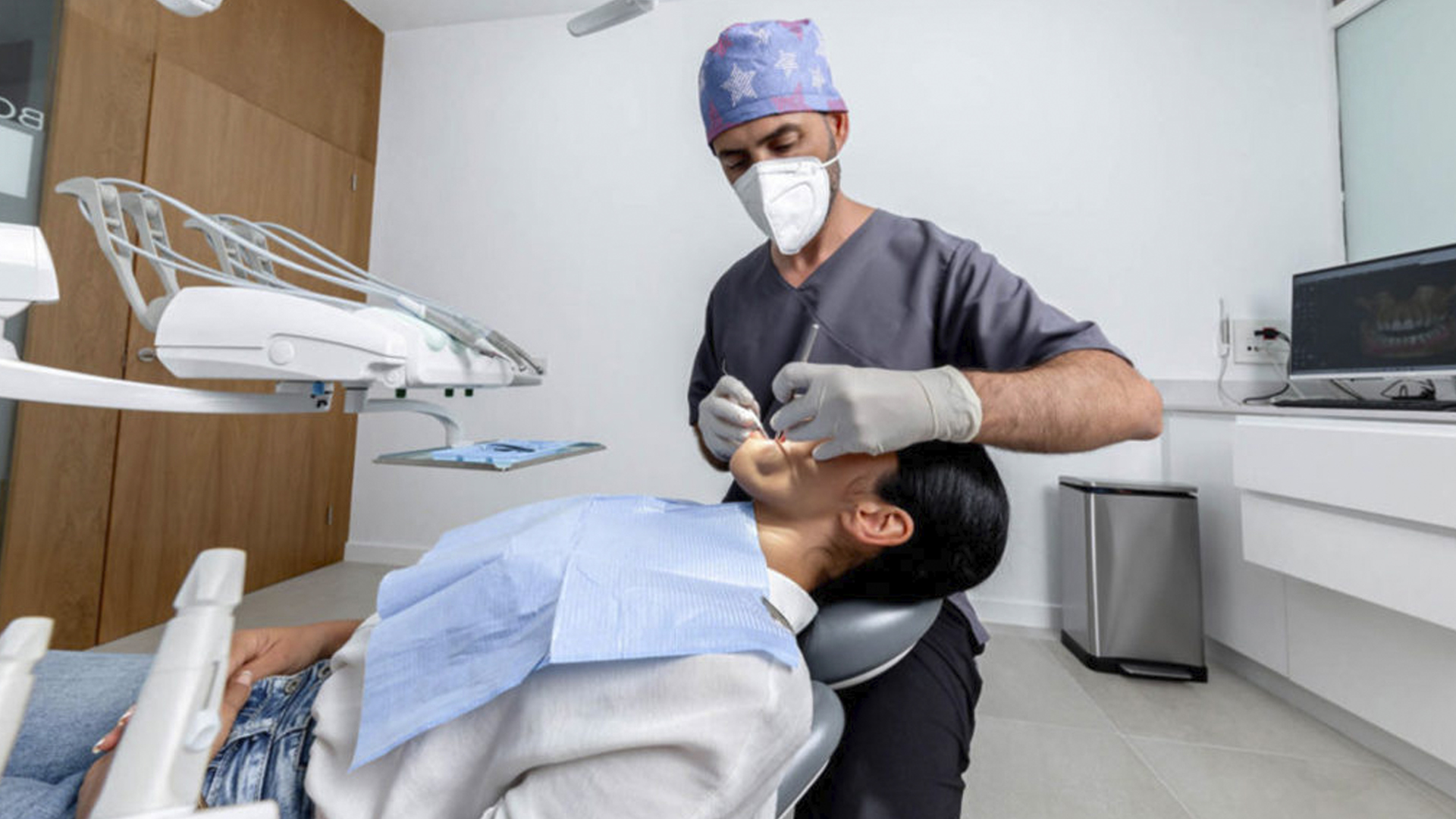

Dental emergencies rarely begin with a dramatic moment. More often, they start with something people talk themselves out of taking seriously. A dull throb after dinner. A little swelling near the gumline. A cracked molar that does not hurt much yet. By the time many patients call an emergency dentist, the problem has moved from manageable to urgent, and the treatment has become more involved than it needed to be.
That pattern is especially common with tooth pain and oral infections. People hope it will settle down overnight, then try a few days of soft foods, then promise themselves they will make an appointment next week. Teeth and gums do not usually reward delay. Pain can spread fast, infection can move beyond the tooth, and minor fractures can deepen with one hard bite.
If you are trying to decide whether a symptom can wait, the safest mindset is simple: a mouth problem that is getting worse is rarely a problem to ignore. For anyone searching for an Emergency Dentist Ventura patients can rely on, knowing the early warning signs helps you act before the situation becomes more painful, more expensive, and harder to treat.
Why dental emergencies are often missed at first
The mouth is good at sending mixed signals. A tooth can be infected and still go quiet for a day or two. A cracked filling can feel harmless until pressure lands at exactly the wrong angle. Gum swelling can come and go, which makes people think the problem is resolving when it is only fluctuating.
There is also the reality of daily life. Parents put their children first. Professionals work through lunch and try to fit discomfort around meetings. Students are used to stress headaches and clenching, so jaw pain seems easy to dismiss. In a coastal city like Ventura, active routines also play a part. Surfing, biking, pickup sports, and outdoor weekends all increase the odds of dental trauma, yet people often wait because they are not sure whether a chipped or loosened tooth truly counts as an emergency.
In practice, the early stage is where good outcomes often happen. When a patient comes in with a small crack, a dislodged crown, or moderate gum swelling, there is usually more room to preserve tooth structure, control pain quickly, and prevent complications. Waiting tends to narrow those options.
Pain that has changed character deserves attention
Not every toothache means a crisis, but pain that changes in intensity, pattern, or trigger deserves a closer look. One of the most important distinctions is between fleeting sensitivity and pain that lingers. If cold water causes a quick zing that fades in seconds, that points in one direction. If the pain hangs on for thirty seconds or longer, wakes you up, or throbs without any trigger, the situation is more concerning.
Dentists pay close attention to what patients mean when they say a tooth hurts. Sharp pain while chewing can suggest a crack, a loose restoration, or inflammation around the ligament supporting the tooth. Deep, pulsing pain often raises concern about infection or pressure building inside the tooth. Pain that radiates toward the ear, temple, or jaw can make people think they have a sinus problem or even an ear issue, when the true source is dental.
A common story goes like this: someone has sensitivity for a few weeks, then one evening the discomfort jumps from a three out of ten to an eight. They cannot settle, over the counter medication barely touches it, and lying down makes it worse. That jump matters. Teeth generally do not become dramatically more painful without a reason.
Swelling is never a symptom to brush off
Swelling in the gums, cheek, or jaw deserves prompt evaluation, even if the pain is mild. Infection can spread beyond the tooth and move into surrounding tissues. That does not happen in every case, but it happens often enough that swelling should be treated with respect.
Sometimes the first sign is a small, pimple-like bump on the gum. Patients occasionally notice it draining and assume that means the problem is improving. It does not. A draining fistula can relieve pressure temporarily, but it usually signals an underlying infection that still needs treatment. Other times the cheek becomes puffy, the area feels warm, and the bite starts to feel off because the tissues are inflamed.
The more serious signs are harder to ignore: facial swelling that is increasing, trouble opening the mouth fully, pain with swallowing, fever, or feeling generally unwell. At that stage, waiting is risky. A true Emergency Dentist Ventura provider will usually want to hear about those symptoms right away, because they can indicate a developing infection that needs same-day care and, in some situations, coordination with urgent medical treatment.
A cracked tooth is often worse than it looks
One of the most underestimated dental problems is the cracked tooth. A small visible chip on the front tooth can be mostly cosmetic, while an almost invisible crack in a back molar can threaten the tooth. The eye does not always tell the real story.
Molars take heavy force. If a tooth has a filling, old wear, or previous root canal treatment, it may be more vulnerable to fracture. Patients sometimes describe an odd feeling when chewing, as if the tooth flexes or catches. Others notice pain only when releasing pressure, which is a classic clue that a crack may be opening and closing under force.
I have seen people ignore these symptoms because they can still eat on the other side. That can work for a week, or a month, until the cracked cusp breaks off during a normal meal. When that happens, what might have been handled with a conservative restoration may now require a crown, root canal, or extraction. The difference often comes down to timing.
Bleeding that is unusual or hard to stop
A little bleeding after flossing is common in inflamed gums, but spontaneous bleeding or bleeding after trauma that does not settle is another matter. If a tooth has been hit, the gums may bleed because the tooth has shifted in the socket or because soft tissue has torn. After an extraction or dental procedure, persistent bleeding needs assessment if pressure has not controlled it.
People on blood thinners, and patients with certain medical conditions, need to be especially cautious. Even when the cause is not dramatic, bleeding is still useful information. Healthy gums do not typically bleed heavily without a reason. Sometimes the issue is advanced periodontal inflammation. Other times the bleeding comes from tissue damaged by a broken tooth edge or a poorly fitting appliance.
A loose adult tooth is an emergency
Children lose teeth. Adults should not. If a permanent tooth feels loose, shifts position, or suddenly seems taller than the others when you bite down, urgent evaluation is warranted. Trauma is an obvious cause, but looseness can also come from advanced gum disease, infection, or pressure from clenching combined with an already weakened support system.
This is one of those situations where quick care can change the outcome. A tooth that has been displaced by an accident may sometimes be stabilized successfully if treated soon enough. Delay allows clotting, inflammation, and tissue damage to complicate what might otherwise have been a more predictable recovery.
Lost crowns, bridges, and fillings can turn urgent quickly
A missing filling or crown may not sound like an emergency compared with swelling or severe pain, but it can become one fast. Once the restoration is gone, the exposed tooth may be highly sensitive, prone to fracture, or sharp enough to injure the tongue and cheek. If the underlying tooth structure is weak, every meal becomes a risk.
This is particularly true when the lost restoration comes from a tooth that has already had extensive work. A back tooth with a large filling and little natural structure left is vulnerable. Patients are often surprised by how quickly the tooth begins to hurt once the protection is gone.
If a crown falls off and the tooth underneath still feels intact, sometimes the situation is straightforward. If the tooth is decayed, broken, or tender to touch, that is different. The safest move is to have it assessed before trying to tough it out for several more days.
Signs that should move you from watchful waiting to same-day care
Most people are not trying to diagnose themselves, they just want to know when to stop waiting. These are the warning signs that usually justify a same-day call:
- swelling in the gums, face, or jaw
- severe or escalating tooth pain, especially if it keeps you awake
- a broken, cracked, or knocked loose tooth
- signs of infection such as fever, foul taste, or pus drainage
- bleeding that does not stop with steady pressure
Any one of these can signal a problem that is unlikely to improve on its own. When multiple signs appear together, the urgency rises.
Knocked-out teeth and trauma have a short window
When a permanent tooth is knocked out, minutes matter. This is one of the clearest true dental emergencies because the chance of saving the tooth drops with time and handling errors. The root surface is delicate, and scrubbing it or letting it dry out lowers the odds of successful reimplantation.
The circumstances vary. A teenager catches an elbow during a game. An adult slips on wet concrete near the beach. A cyclist goes over the handlebars. In each case, the visible injury can distract from what matters most for the tooth. If the tooth is found, handle it by the https://damienqtwg658.oakridgedigest.com/posts/emergency-dentist-ventura-for-urgent-care-without-the-long-wait crown, not the root. If it is visibly dirty, rinse it gently with milk or saline if available, or clean water briefly if not. If the person can safely do so, placing it back in the socket is ideal. If that is not possible, keep it moist in milk or inside the cheek, provided there is no risk of swallowing it.
Soft tissue injuries also deserve proper care. Cuts to the lips and gums can bleed more than expected because oral tissues are highly vascular. Broken fragments of tooth can remain embedded in the lip. Trauma is one of those moments when an Emergency Dentist Ventura office can help sort out what looks minor from what needs immediate stabilization.
Bad taste, bad breath, and pressure can point to infection
Patients often focus on pain and overlook other clues. A sour or foul taste in the mouth, persistent bad breath despite brushing, or a sense of pressure in one area can be signs of drainage from an infected tooth or gum pocket. These symptoms are easy to minimize because they do not always feel dramatic, but they can be the first warning before noticeable swelling appears.
A dental abscess does not always announce itself loudly on day one. Sometimes the gum is just tender and the patient says food keeps getting stuck there. Sometimes the tooth feels slightly raised. Sometimes the pain comes in waves. None of those symptoms proves an abscess, but together they justify prompt evaluation, especially if the area is changing day by day.
What you can do while waiting to be seen
Home care does not replace treatment, but it can reduce the chance of making things worse. The goal is to protect the area, limit irritation, and manage discomfort sensibly until you are in the chair.
- rinse gently with warm salt water if the tissues are irritated
- use a cold compress on the outside of the face for swelling
- avoid chewing on the affected side
- keep any broken piece of tooth or dental appliance if you can find it
- follow label directions on over the counter pain relief, unless your physician has told you otherwise
A few cautions matter. Do not place aspirin directly on the gums, which can burn the tissue. Do not use heat on facial swelling, because it can worsen inflammation. Do not ignore numbness, difficulty swallowing, or rapidly increasing swelling while trying home remedies. Those symptoms move beyond routine discomfort.
Children, older adults, and medically complex patients need special judgment
Not every dental emergency looks the same across age groups. Children may struggle to describe pain accurately. They point to the wrong side, cry more from fear than from symptoms, or stop eating and sleeping before they can explain what hurts. A child with facial swelling, dental trauma, or pain that is affecting hydration should be seen promptly.
Older adults can have the opposite issue. Some underreport pain, especially if they have worn dentures for years or are accustomed to chronic health issues. A broken denture may not sound urgent until you consider nutrition, sore spots, and the possibility of a hidden oral lesion underneath. Dry mouth, common with many medications, also increases cavity risk and can turn a small problem into an urgent one faster than expected.
Patients with diabetes, immune compromise, recent joint replacement, certain cardiac conditions, or a history of radiation to the head and neck often require extra caution. Infection control is more important in these groups, and delayed treatment can carry wider health consequences.
The cost of waiting is not only financial
People often postpone emergency care because they worry about cost. That concern is real, but delay can create a more expensive problem, not a cheaper one. A small fracture may become a split tooth. A cavity nearing the nerve may become an abscess. A recementable crown may become an unrestorable tooth.
There is also the human cost. Lost sleep, missed work, inability to eat comfortably, and the mental drain of constant pain wear people down quickly. By the time some patients finally come in, they are exhausted. They have not been chewing properly for days, they are irritable, and they regret waiting. That pattern is common enough that most dentists have heard some version of, "I thought I could make it through the weekend."
Sometimes you can. Often you should not have to.
Choosing the right response in Ventura
When evaluating symptoms, it helps to think in terms of trend and impact. Is the discomfort spreading, deepening, or waking you up? Is swelling appearing or increasing? Has a tooth changed position or broken in a way that affects function? Are you seeing signs of infection, drainage, or fever? Those are practical markers that matter more than trying to label the problem yourself.
A reliable Emergency Dentist Ventura practice should be prepared to triage these calls intelligently. That means asking the right questions, identifying red flags, and guiding you on whether you need immediate dental attention, urgent medical support, or a prompt but not middle-of-the-night appointment. Good emergency care is not just about fitting patients into the schedule. It is about judgment.
Dental problems almost never improve because they were ignored skillfully. They improve because someone recognized the warning signs early, got the right diagnosis, and treated the cause. If your mouth is telling you something has changed, especially if pain, swelling, trauma, or infection is involved, listen to it. That instinct to get it checked is often the difference between a difficult day and a much more complicated month.
Avra Dental
1708 S Victoria Ave B, Ventura, CA 93003, United States
Phone: +1 805-765-3206
FAQ About Emergency Dentist Ventura
Can the ER do anything for tooth pain?
An emergency department can assess serious symptoms and provide temporary relief, but definitive dental treatment usually requires a dentist. Trouble breathing or swallowing, uncontrolled bleeding, or swelling spreading into the neck requires emergency medical care.
What do I do if I have a dental emergency and no dentist?
Contact a local emergency dental practice promptly, explain your symptoms, and ask about the earliest available assessment. Avra Dental provides emergency dentistry in Ventura; call to confirm availability. If you have life-threatening symptoms or a serious facial injury, go to an emergency department or call 911.
What do I do if tooth pain is unbearable?
Seek urgent dental assessment rather than waiting for the pain to pass. While arranging care, gently rinse with warm water and avoid placing aspirin directly on the tooth or gums. Severe pain with trouble breathing or swallowing, rapidly spreading swelling, or uncontrolled bleeding needs immediate emergency medical care.